EtherCAT and Modbus RTU are industrial communication protocols that are used in the energy industry to meet different communication needs. EtherCAT is a core technology of wind power system, Modbus RTU is a more widely used industrial communication protocol, it adopts the master-slave communication mode, only the master station can initiate the communication request, the slave station will respond after receiving the request of the master station
EtherCAT and Modbus RTU are industrial communication protocols that are used in the energy industry to meet different communication needs. EtherCAT is a core technology of wind power system, Modbus RTU is a more widely used industrial communication protocol, it adopts the
master-slave communication mode, only the master station can initiate the communication request, the slave station will respond after receiving the request of the master station. It communicates through serial line or Ethernet, and can realize data transmission between multiple master and slave stations. In the energy industry, both EtherCAT and Modbus RTU have their advantages and application scenarios. EtherCAT is suitable for applications that require high speed and real-time requirements, such as wind power systems. Modbus RTU is suitable for long-distance, strong anti-interference occasions, such as petroleum, chemical and other industries between field equipment communication.
In short, when choosing industrial
communication protocols, it is necessary to choose according to specific scenarios and needs to meet different communication needs. In the energy industry, the conversion of EtherCAT and Modbus RTU needs to consider the following aspects:
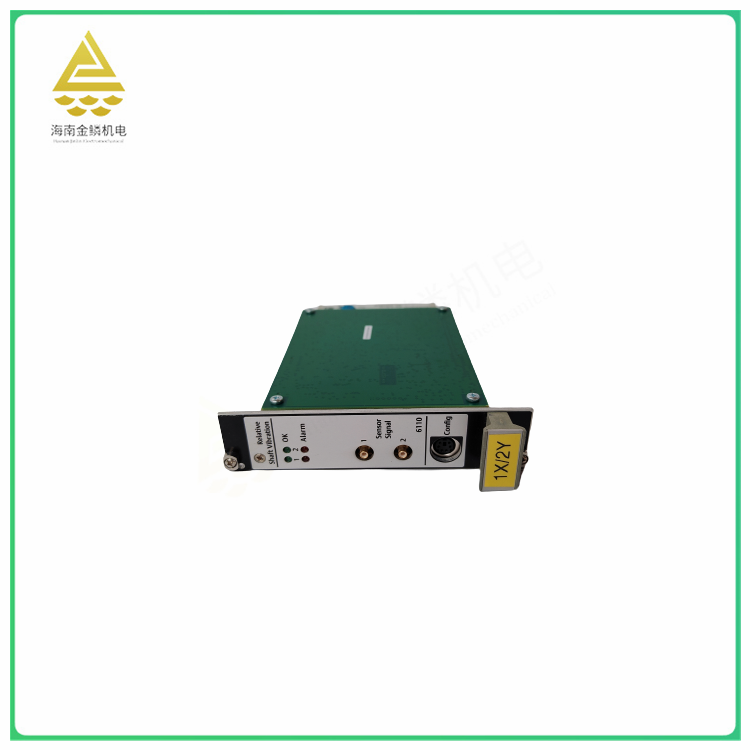
1. Communication protocol conversion: EtherCAT and Modbus RTU use different communication protocols and need to be converted. Converters or
conversion software can be used to convert between the two protocols.
2. Data format conversion: EtherCAT and Modbus RTU also have different data formats and need to be converted. During the conversion, it is necessary to pay attention to the type, unit, range and other factors of the data to ensure the correctness of the data.

3. Matching of transmission rates: EtherCAT and Modbus RTU have different transmission rates and need to be matched. If the transmission rates do not match,
data transmission may be delayed or fail.
4. Consideration of anti-interference ability: In the energy industry, the operating environment of the equipment is more complex, and the anti-interference ability needs to be considered. EtherCAT and Modbus RTU have different anti-interference capabilities and need to be selected according to the specific use scenario.
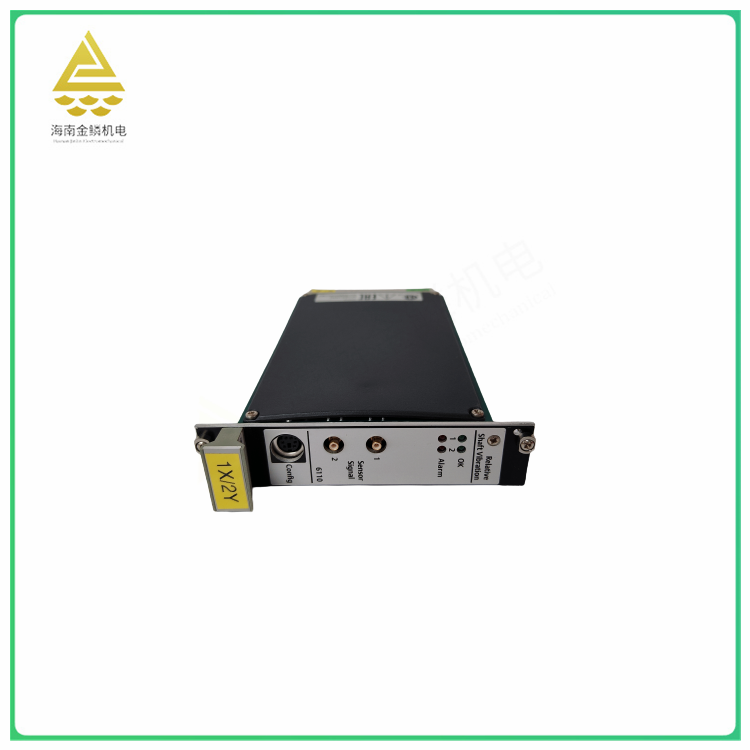
5. Ease of
maintenance and debugging: The maintenance and debugging methods of EtherCAT and Modbus RTU are also different and need to be considered.
Modbus RTU is easy to maintain and debug, whereas EtherCAT requires more technical support. Switching between EtherCAT and Modbus RTU in the energy industry requires a number of considerations to ensure communication stability and reliability. To meet different communication requirements, select this option based on the specific
application scenario. 

