The 1394C-SJT22-A is a servo controller manufactured by Allen-Bradley (now part of Rockwell Automation). It has analog module function and 10 volt DC analog interface and belongs to the C series system module. This servo controller supports up to four axes and can work as a speed or torque controller. In addition, it is equipped with the Bulletin 1201 human-machine interface module, which allows automatic tuning and fast startup.
In terms of electrical characteristics, the 1394C-SJT22-A has features such as intelligent power supply, EMI filtering and improved terminal. In terms of performance, it has the advantages of high precision, low ripple, no high-frequency radiation interference, and is suitable for various industrial environments and use scenarios.
In addition, the 1394C-SJT22-A features a scan port interface that provides continuous current output at DC voltage. This makes it excellent in applications where high accuracy and stable current output are required.
In summary, the 1394C-SJT22-A is a powerful and stable servo controller suitable for a variety of applications requiring high-precision motion control.
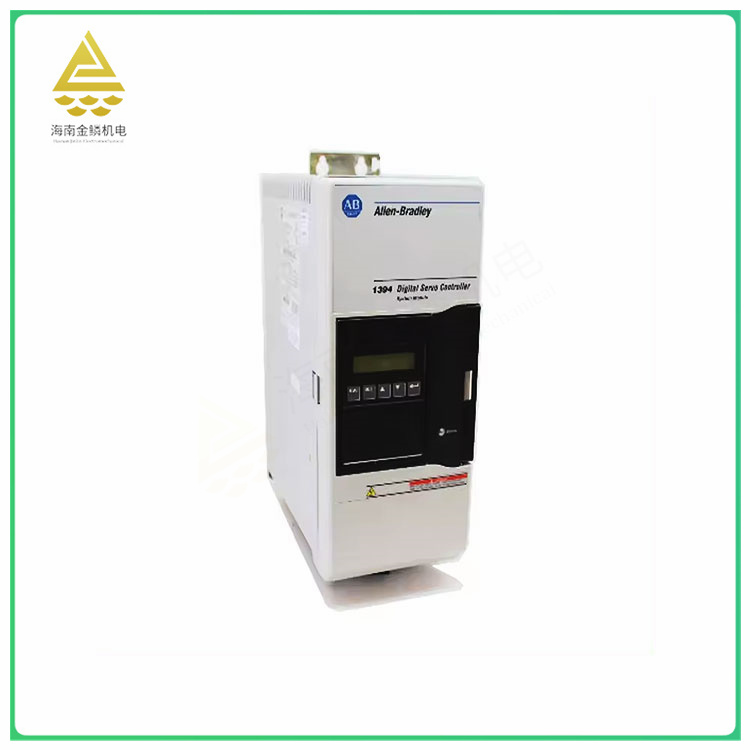
The 1394C-SJT22-A servo controller, a product of Allen-Bradley (Rockwell Automation), has some significant advantages and potential disadvantages. The following is an analysis of its advantages and disadvantages:
Advantages:
Multi-axis control: The 1394C-SJT22-A supports control of up to four axes, which makes it useful in applications where multiple axes of motion need to be controlled simultaneously.
Flexibility: The controller can operate as a speed or torque controller, providing the flexibility to be configured according to application requirements.
Man-machine interface support: With Bulletin 1201 man-machine interface module, automatic tuning and quick start is simple and intuitive.
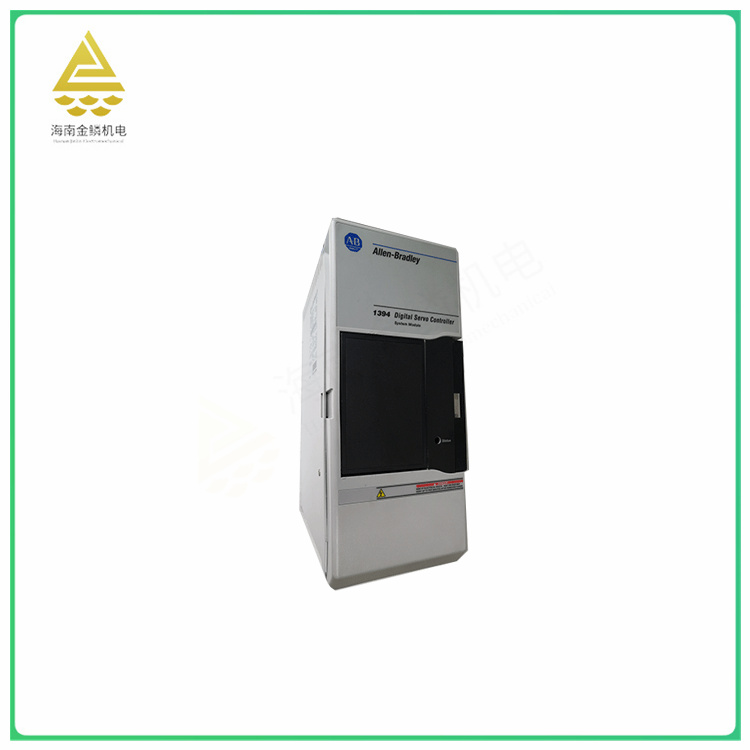
Electrical characteristics: Features such as intelligent power supply, EMI filtering and improved terminal help to improve system stability and reliability.
Stable performance: High precision, low ripple and no high-frequency radiation interference make it provide stable performance in a variety of industrial environments.
Continuous current output: Continuous current output is provided through the scan port interface, which is an advantage for applications where precise current control is required.


