Part number: 140CPU671 60C
Manufacturer: Schneider Electric.
Series: Modecon Quantum
Model: 140CPU671 60C
Type: Programmable Logic Controller
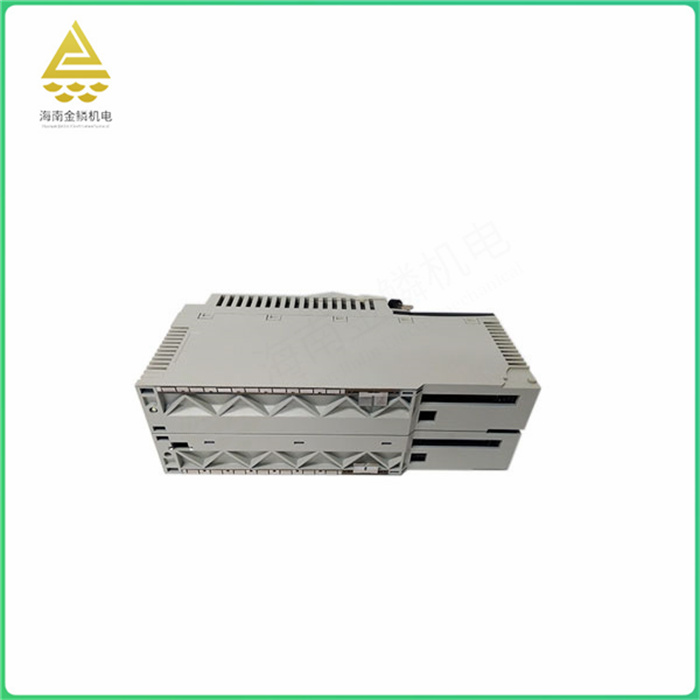

Electrical connection:
1 connector, connector type :MT-RJ(Multi-mode Fiber), for interconnecting main PLC and sub-PLC up to 4 km
One female connector, connector type :SUB-D 9, used to connect to the Modbus Plus network
One connector, connector type :RJ45, used to connect to Modbus
One connector, connector type :RJ45, used to connect to the Ethernet
Product or component: Unified processor
A thermal standby processor is a device used for fault recovery in power systems. It can take over the system control when the main processor fails to ensure the normal operation of the system.
The hot standby processor has the following features:
Real-time: The hot standby processor can monitor the status of the main processor in real time, and once the main processor fails, it can take over the system control immediately to ensure the normal operation of the system.
Hot backup: The hot standby processor has the hot backup function, which can automatically take over the system control when the main processor fails to ensure continuous system operation.
Maintainability: The hot standby processor is maintainable and can switch the system when the main processor fails, and handle and repair the failure.
High efficiency: The hot standby processor is efficient and can maximize the operating efficiency of the system while ensuring the stability of the system.
In short, the thermal standby processor is an important power equipment, which can effectively improve the reliability and stability of the power system.
The hot standby processor has the following functions:
Hot backup protection: When the primary processor is faulty, the hot standby processor automatically takes over control of the system to ensure continuous system running and prevent system shutdown or data loss caused by the primary processor fault.
Data backup: The hot standby processor can back up the data of the main processor in real time to ensure data security and integrity.
System monitoring: The hot standby processor can monitor the status of the main processor in real time, including temperature, voltage, current and other parameters, as well as the operating status of the system and the operation of the application.
Fault alarm: When the main processor fails or is abnormal, the hot standby processor can send an alarm signal in time to notify the management for fault handling and repair.
Remote management: The hot standby processor can be remotely managed and controlled through remote management software or network management platform, which is convenient for managers to manage and maintain the system.
In short, the function of the hot standby processor is mainly to ensure the reliability and stability of the power system and avoid problems such as system shutdown or data loss caused by the failure of the main processor.


