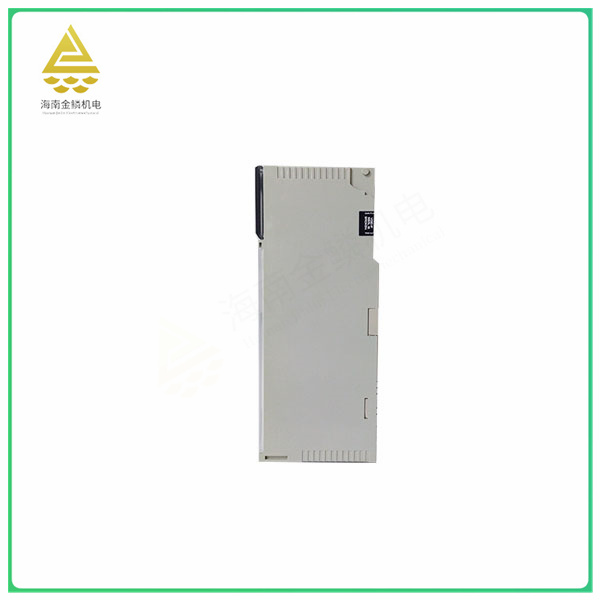
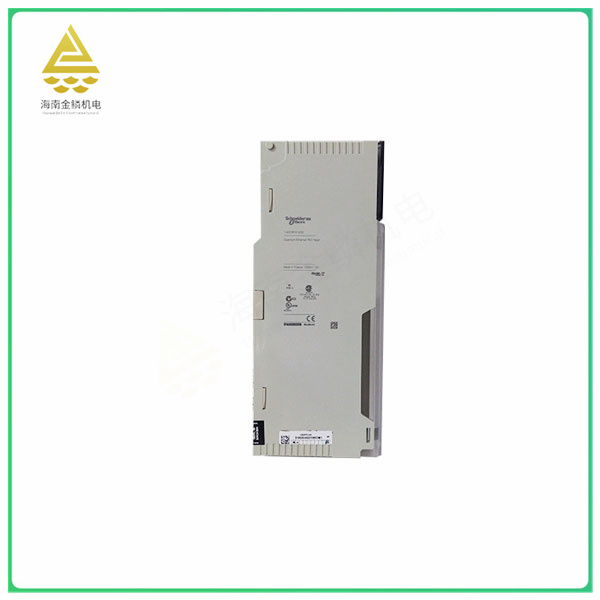
The Schneider 140CRP31200 PLC module is a high-performance programmable logic controller designed specifically for industrial automation applications. It provides reliable and efficient control of various processes and machinery.
The advantages and disadvantages of 140CRP31200 module are as follows:
Advantages:
High-speed Ethernet interface: The module provides high-speed Ethernet interface, which can quickly communicate with other devices on the network to achieve real-time data exchange and control.
Extensive communication protocol support: The module supports a variety of communication protocols such as TCP/IP, Modbus TCP/IP and SNMP, which makes it compatible with various industrial and automation applications.
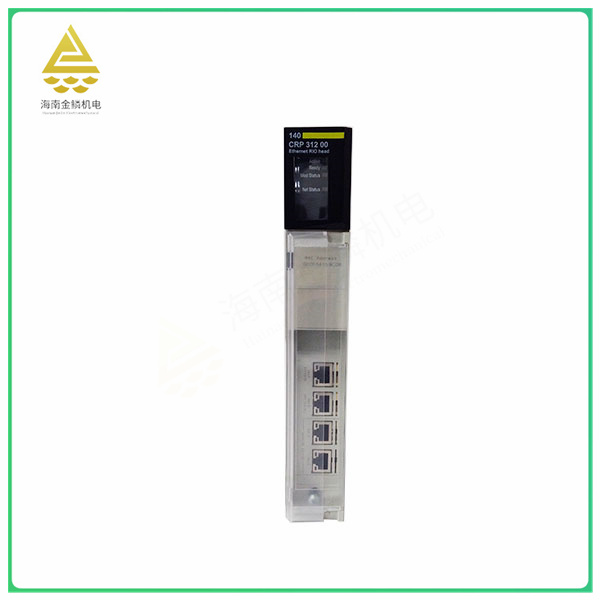
Easy integration: The module is designed to be easy to integrate with other Schneider Electric devices, such as Modicon Quantum processors and other communication modules. This means that businesses already using Schneider Electric equipment can seamlessly integrate the module into their existing systems without encountering any compatibility issues.
Highly reliable and versatile: This module is a highly reliable and versatile communication solution for industrial automation and control systems, suitable for modern industrial applications that require fast and efficient communication and control.
Cons:
Higher cost: Compared with some simple communication modules, the cost of 140CRP31200 module is higher.
Need professional and technical personnel for configuration and maintenance: Due to the complex function of the module, professional and technical personnel are required for configuration and maintenance, which increases the labor cost and maintenance difficulty.
High requirements on the power supply and environment: The module requires a stable power supply and has requirements on the ambient temperature and humidity. Therefore, you must take proper measures to ensure the normal running of the module.
In summary, the advantages of 140CRP31200 module lie in its high-speed Ethernet interface, extensive communication protocol support, easy integration and high reliability and versatility. The disadvantages are higher costs, the need for professional and technical personnel to configure and maintain, and higher power and environmental requirements.


