The module has the following features:
Suitable for generators with rated voltage up to 690V.
Compact and lightweight design, easy to install and maintain.
Application areas include, but are not limited to:
Industrial automation control system: In the industrial automation control system, the excitation controller module is used to control the excitation current of the alternator, ensure the stable operation of the generator, and provide reliable power support for the entire system.
Marine power control system: The excitation controller module used in the Marine power control system can realize the effective control of the Marine generator and improve the stability and reliability of the Marine power system.
New energy power generation systems: Excitation controller modules can also be applied to new energy power generation systems, such as wind power and solar power generation systems. In these systems, the excitation controller module can control the excitation current of the generator to achieve efficient and stable energy conversion and output.
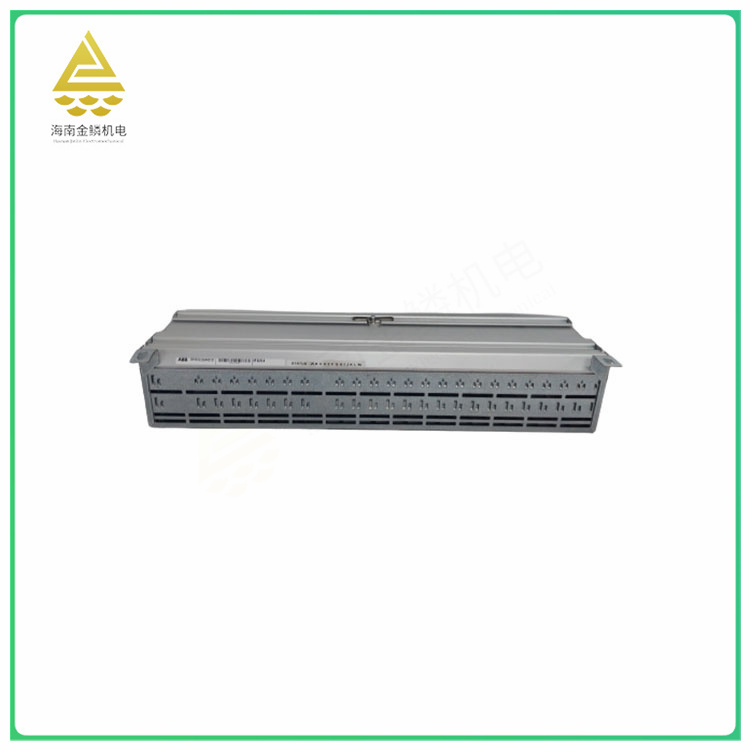
The motor controller is a device used to control the operation of the motor, which receives input signals and controls the start, stop, speed and direction of the motor according to the set program and control algorithm. Motor controllers have many advantages and disadvantages, here are some possible advantages and disadvantages:
Advantages:
Energy efficiency: The motor controller can be precisely controlled according to the operating state of the motor, which can achieve efficient use of energy and reduce energy consumption.
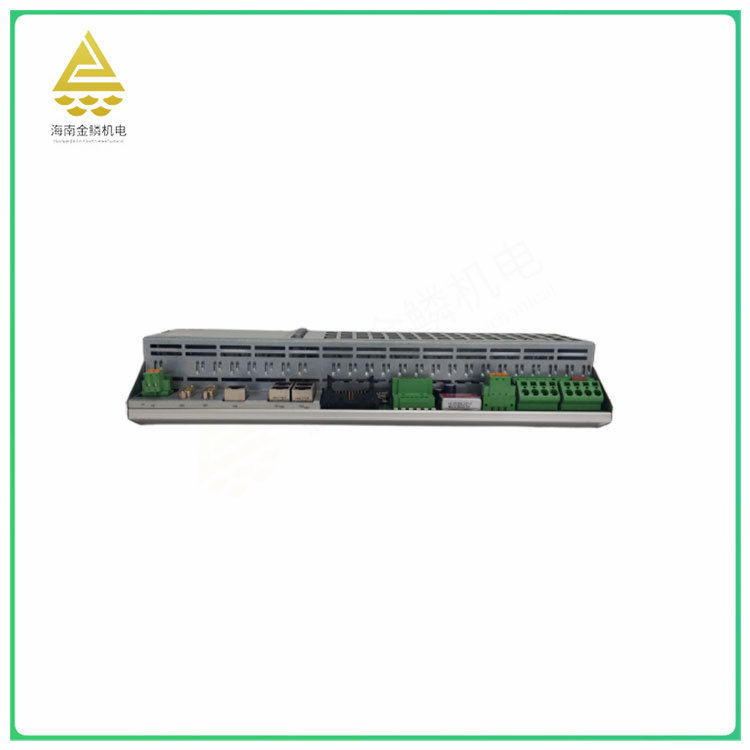
Easy maintenance: Motor controllers are usually modular in design for easy maintenance and replacement. In addition, the controller can monitor the operating state of the motor, detect faults in time and give an alarm to reduce downtime.
Precise control: The motor controller can achieve precise speed and position control as required, improving the accuracy of processing and manufacturing.
High reliability: The motor controller has a high degree of reliability and stability, which can ensure the long-term stable operation of the motor and reduce the probability of failure.
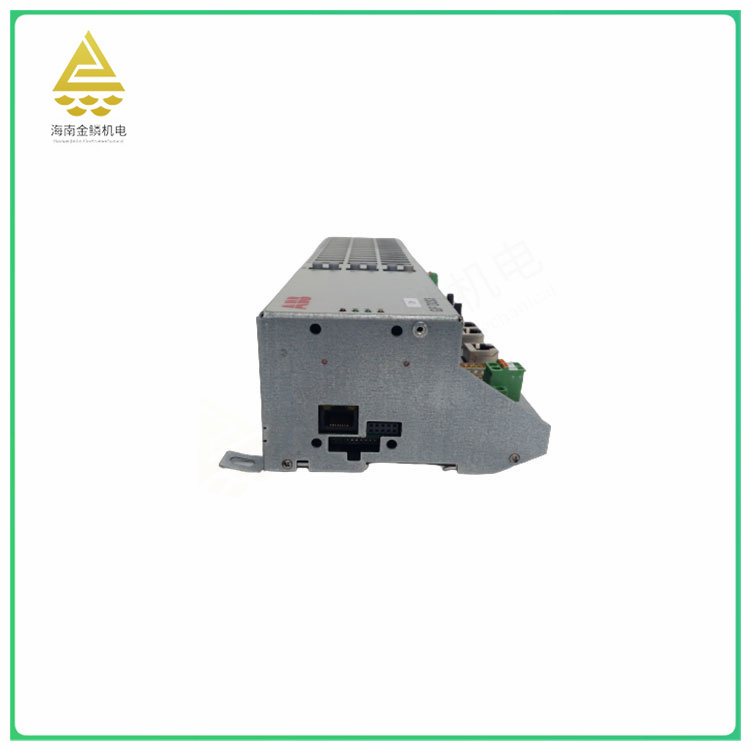
Cons:
High cost: The high cost of the motor controller may increase the cost of the entire system.
Strong dependence: the motor controller depends on the operating state and control signal of the motor, and if the control signal is interfered with or fails, it may affect the operation of the motor.
High technical difficulty: motor control technology is difficult and requires professional design and maintenance.
Poor compatibility: Different brands and models of motor controllers may have compatibility issues that will affect the overall performance and stability of the system.
In short, the motor controller has advantages in energy efficiency, easy maintenance, precise control and reliability, but it also has disadvantages such as high cost, strong dependence, high technical difficulty and poor compatibility.


