ABB CPU-30ZBE D143-502-A002 Parameter Information:
CPU: Intel i960 series CPU
Memory: 2MB RAM, 2MB flash
Input/Output: Up to 512 digital inputs, 256 digital outputs and 64 analog inputs/outputs are supported
Communication interface: 1 RS-232 port, 2 RS-485 ports, 1 Ethernet port
Supported programming languages: RLL, IEC 61131-3 programming languages
Operating temperature range: 0~60°C
Power supply voltage: 24VDC
Dimensions: 138.4mm x 255.4mm x 82.6mm
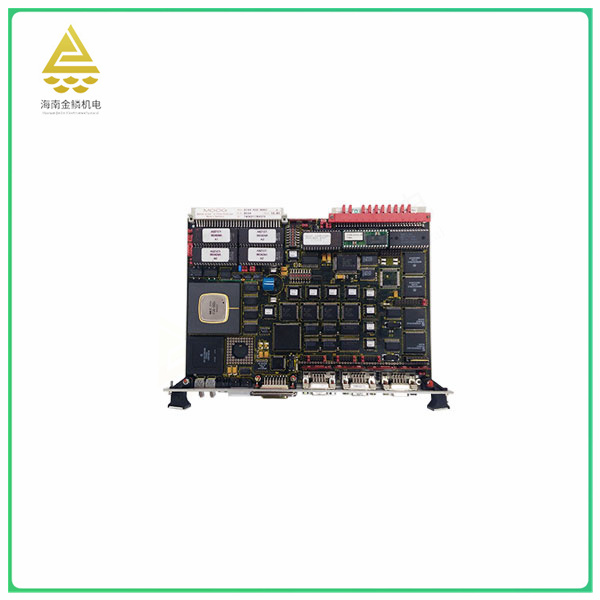
The CPU (Central Processing Unit) is the core component of the computer, responsible for executing the instructions and data in the computer system, and controlling and managing the operation of the entire system. The uses of CPU mainly include the following aspects:
Instruction processing: The CPU executes programs and operations by executing instructions, including arithmetic operations, logic operations, control operations, etc.
Data processing: The CPU can store, transfer, modify, compare and other operations on the data, and perform arithmetic and logic operations and other calculations.
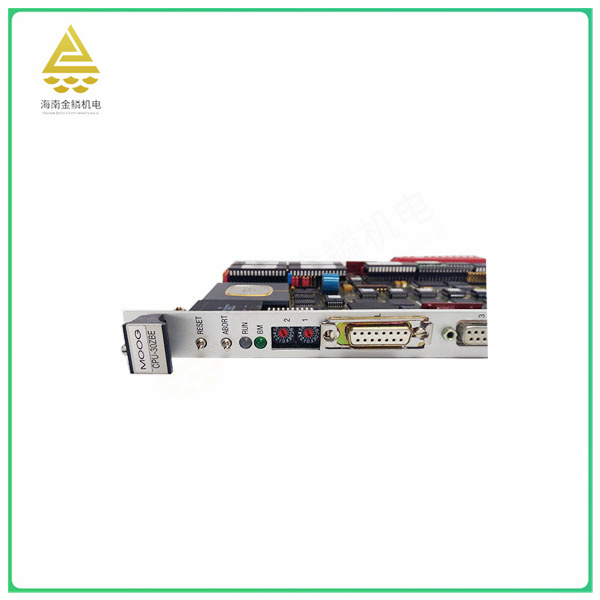
Control function: The CPU can receive input signals and produce corresponding output signals to control various parts of the computer system.
Storage management: The CPU can manage memory and external memory, including address mapping, data exchange, etc.
Security management: The CPU can be responsible for the security and confidentiality of the computer system, including access control, encryption and decryption.
Network communication: The CPU can handle the communication between the computer system and external devices or networks, including data transmission, protocol conversion, etc.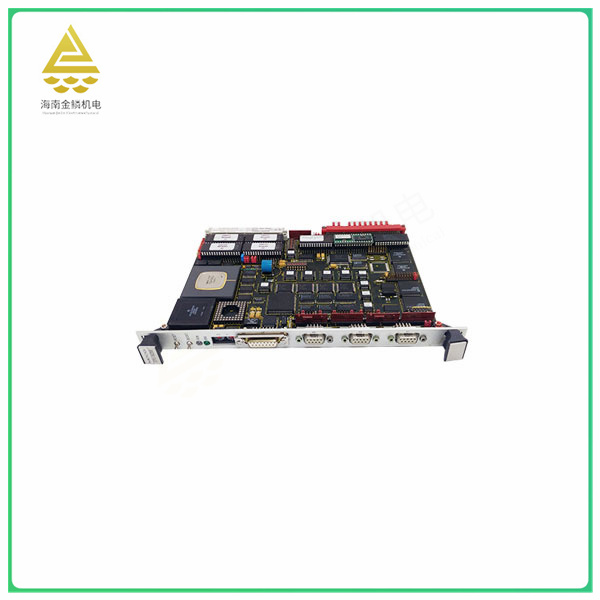
In short, the CPU is an indispensable part of the computer system, it is responsible for processing programs and data, control and management of the entire system, and can store data and programs, so that the computer system can run normally.


