DSQC658 is a network interface card that has the following functions and application areas:
First, it is a high-performance communication motherboard designed for industrial automation and process control. DSQC658 provides a variety of communication interfaces and supports a variety of communication protocols, such as Modbus, Profibus, etc., to facilitate data exchange and control with various devices and sensors.
Secondly, DSQC658 has high reliability and stability, and can operate stably in harsh environments to ensure the accuracy and reliability of data transmission. At the same time, it also has self-diagnosis and self-recovery functions, which can automatically detect and repair its own faults, improve the availability and reliability of the system.
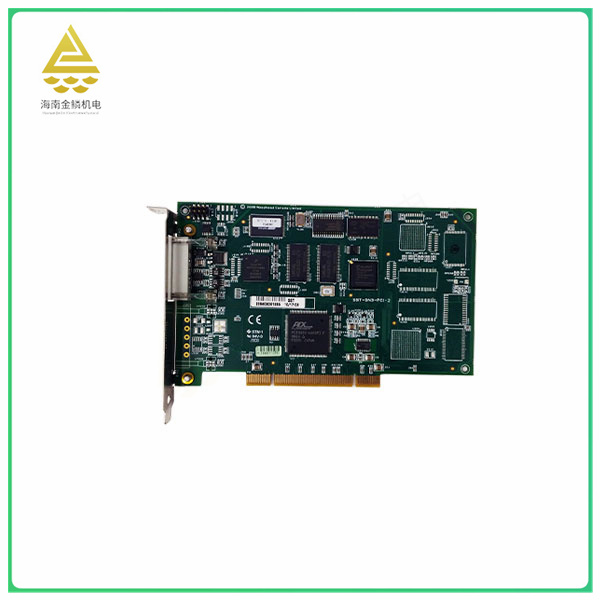
In the field of application, DSQC658 is mainly used in the field of industrial automation control systems and intelligent manufacturing. It can be used as a master controller or a slave controller to exchange data and control with other devices or sensors to realize the control and monitoring of automated production lines. At the same time, it can also be used in the field of intelligent manufacturing to connect and control with other intelligent devices to achieve intelligent management and control of equipment.
In summary, the DSQC658 is a high-performance, highly reliable communication motherboard suitable for a variety of areas requiring automated control and monitoring.
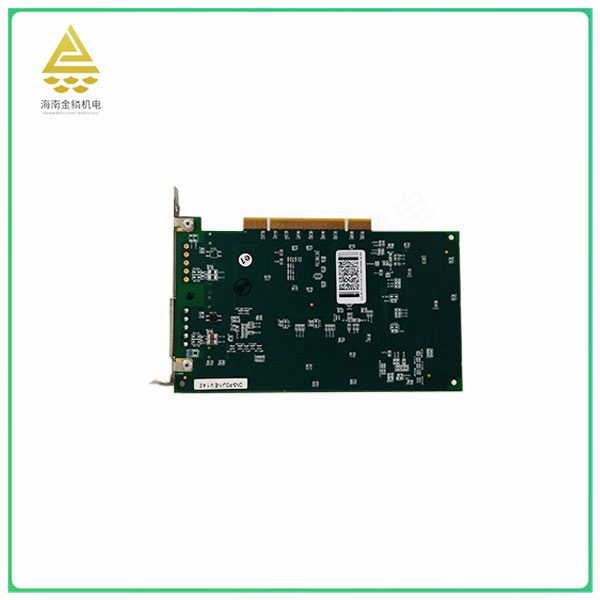
The DSQC658 offers four user-programmable timers (two 16-bit and two 32-bit) that are fully dedicated to user applications and do not require any standard system features. Generator timing options for each timer are 2MHz, 1MHz, 500kHz, and 250kHz. Each timer may be enabled independently, and each can respond when a timeout event occurs.
In addition, by polling the timer or enabling the timer, the status register allows the application software to determine which timer is the cause of any interruption.
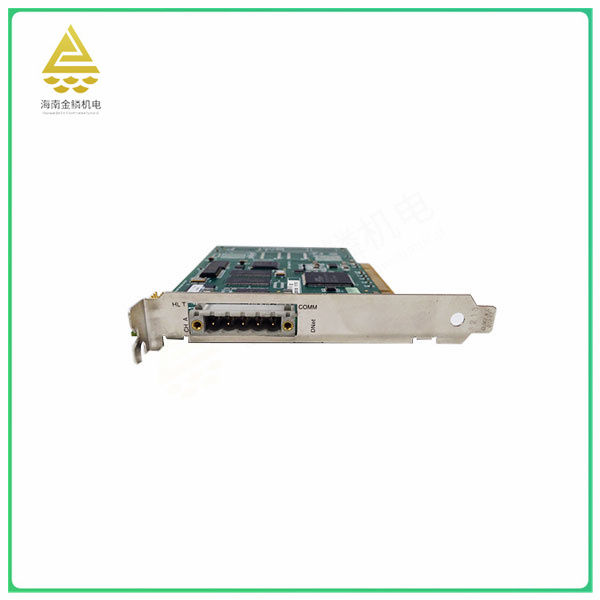
Each timer can be enabled independently by writing "1" to the appropriate "timer x". Similarly, interrupts generated by each timer can be enabled independently by writing "1" to the appropriate "Timer x IRQ Enabled". If the interrupt is generated by a timer, the source of the interrupt can be determined by reading the "Timer x causes IRQ" field. If the field is set to "1", the corresponding timer causes an interrupt.


