The E69F-B12-S is an industrial field-mounted electro-pneumatic converter with a bolted cover housing for all non-explosion proof applications. It features input signal range and impedance, such as I = 4 to 20, 4 to 12 or 12 to 20 mA dc, forward or reverse action, and output signals. In addition, the E69F-B12-S has automatic unit testing and refactoring capabilities, with the ability to perform repeated loop program changes, test their correctness and make another small conversion.
Therefore, E69F-B12-S has a wide range of applications in the field of industrial automation control, such as industrial process control, automated production lines, mechanical equipment control, etc.
The E69F-B12-S is an electro-pneumatic converter that converts an incoming electrical signal into a pneumatic signal output. It has a variety of functions and application areas:
Signal conversion: E69F-B12-S can convert electrical signals into pneumatic signals, and realize the conversion between electrical signals and pneumatic signals. This is useful for applications where electrical control systems need to be connected to pneumatic control systems.
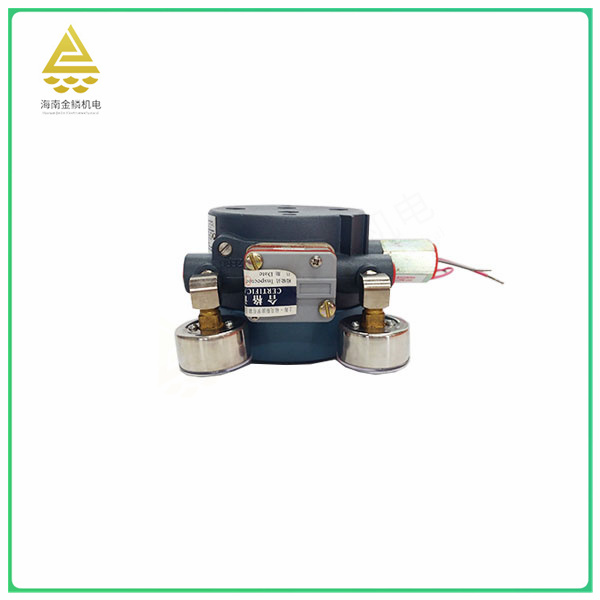
Pneumatic control: E69F-B12-S can be used in the control element of the pneumatic control system to control the action of the pneumatic actuator by receiving electrical signals, so as to realize the automatic control of the pneumatic equipment.
Automated production line: The E69F-B12-S can be used in the control of automated production lines, such as by receiving sensor signals to control the switch of pneumatic valves, so as to achieve automatic control of the production line.
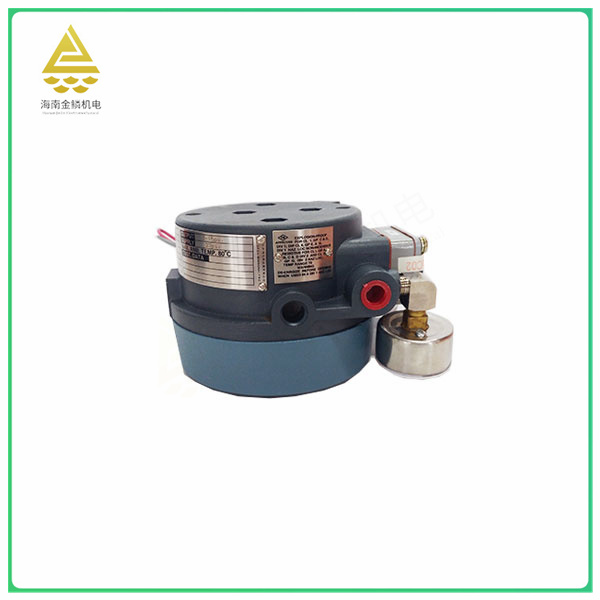
Industrial process control: E69F-B12-S can be used in industrial process control, such as in chemical, pharmaceutical, food processing and other fields, by receiving electrical signals to control the action of pneumatic actuators, so as to achieve automatic control of process flow.
In summary, the functions and application fields of E69F-B12-S mainly involve the fields of signal conversion, pneumatic control, automatic production line and industrial process control.
The E69F-B12-S is an electro-pneumatic converter that converts an incoming electrical signal into a pneumatic signal output. It has a variety of functions and application areas:
Signal conversion: E69F-B12-S can convert electrical signals into pneumatic signals, and realize the conversion between electrical signals and pneumatic signals. This is useful for applications where electrical control systems need to be connected to pneumatic control systems.
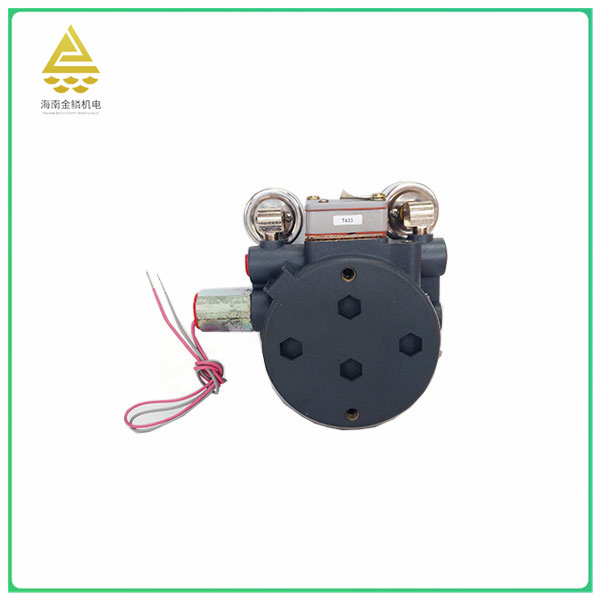
Pneumatic control: E69F-B12-S can be used in the control element of the pneumatic control system to control the action of the pneumatic actuator by receiving electrical signals, so as to realize the automatic control of the pneumatic equipment.
Automated production line: The E69F-B12-S can be used in the control of automated production lines, such as by receiving sensor signals to control the switch of pneumatic valves, so as to achieve automatic control of the production line.
Industrial process control: E69F-B12-S can be used in industrial process control, such as in chemical, pharmaceutical, food processing and other fields, by receiving electrical signals to control the action of pneumatic actuators, so as to achieve automatic control of process flow.


