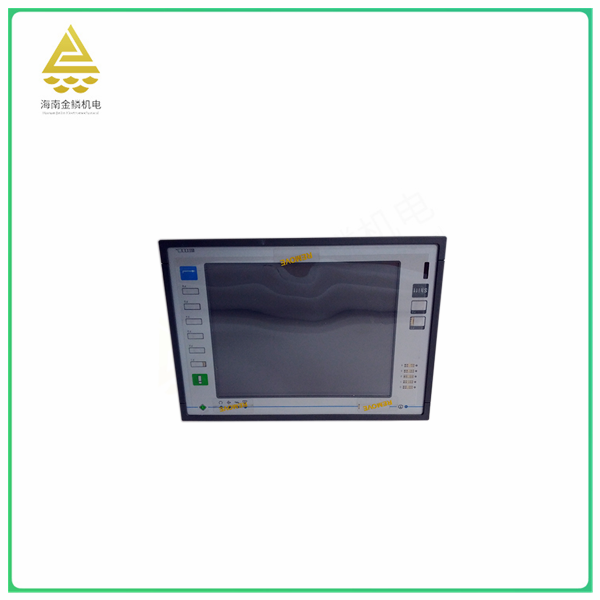
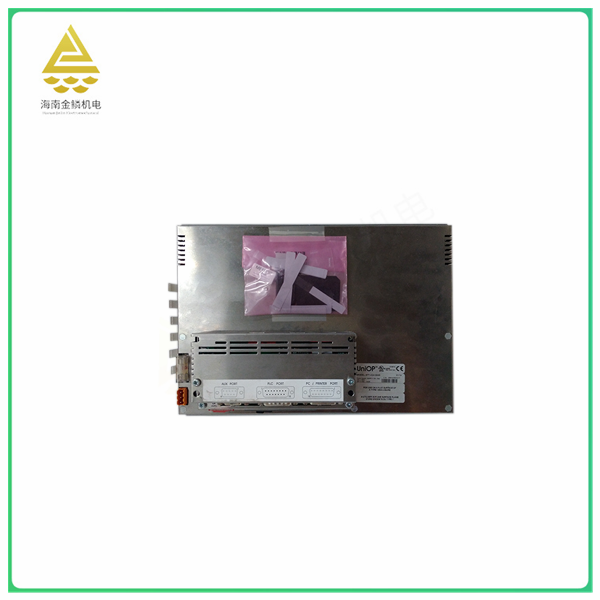
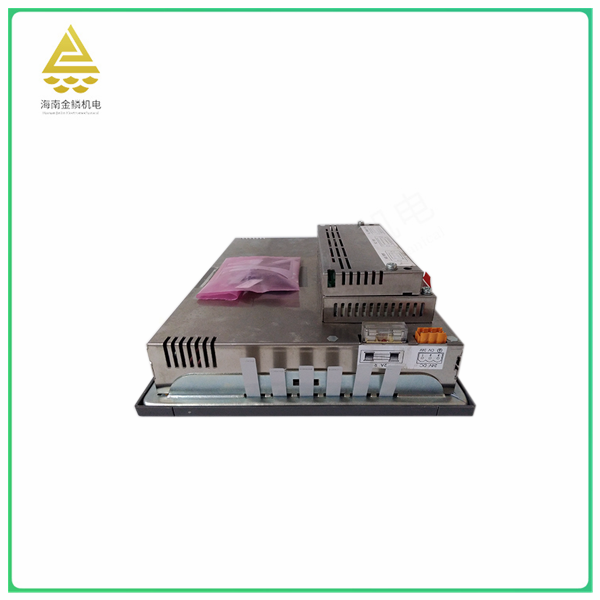
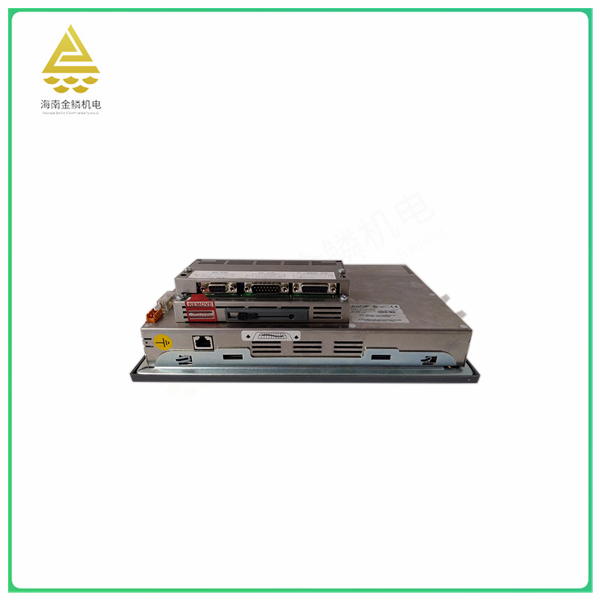
ETT-VGA is a module that combines VGA interface and touch screen technology to allow users to operate a computer or display device by touching the screen. The module has the following features:
High definition: Through the VGA interface, high-resolution image display can be achieved, providing a clear and realistic visual experience.
Touch interaction: Support touch operation, users can directly operate on the screen, to achieve efficient and intuitive user interface design.
In addition, certain ETT-VGA modules with field side diagnostics, electronic fusing or individually isolated input/output functions are suitable for various industrial automation control systems.
The advantages of the module include:
Improve maintainability of code: Modularity can divide a program into independent functional modules, each with specific functions and interfaces. This division makes the code easier to understand and maintain, because the dependencies between modules can be limited to interfaces without the need for in-depth knowledge of each module's internal implementation.
Increased code reusability: Modularity promotes code reuse because each module is independent and can be reused in different programs or projects. This saves development time and costs and avoids writing the same functional code repeatedly.
Teamwork and division of labor: Modularity allows different developers to work on different modules at the same time, enabling parallel development and teamwork. Each developer can focus on their own module without knowing too much about the implementation details of other modules. This can improve the development efficiency and shorten the project cycle.
Easy to extend and upgrade: The modular design makes it easier to extend and upgrade the program. If you need to add a new function or modify an existing function, you only need to modify or add the corresponding module, but do not need to make large-scale changes to the entire program. This reduces the risk and cost of system upgrades.
Technology update and flexibility: Modularity allows developers to use the latest technologies and tools to develop or update a module without affecting the stability of the entire system. This keeps the system up to date and flexible to adapt to changing technology environments and needs.
System stability and reliability: Through modular design, the system can be divided into different functional modules, each module can be tested and verified independently. This makes it easier to locate and fix errors, improving system stability and reliability. At the same time, modularity can also reduce the coupling degree between the various parts of the system, reducing the risk of error transmission.


