peculiarity
◆8 channel analog input, synchronization between channels
◆ Channel high sampling rate 500kS/s
Multi-function Auxiliary I0 (AuxI0)
◆ A variety of triggering methods
The GPIB-140A is a fiber optic GPIB extender that extends a GPIB system by 1 km without compromising the integrity of the GPIB or requiring any software modifications. The device uses buffered transmission technology, and the data transfer rate can reach 1.1Mb/s (IEEE 488.1) or 2.8Mb/s (HS488). The GPIB-140A also increases the maximum number of GPIB devices in the system from 15 to 26.
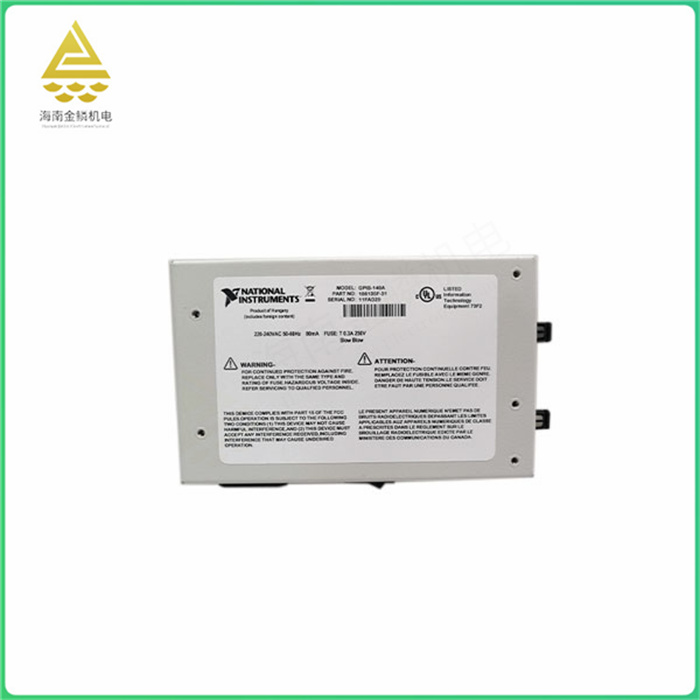
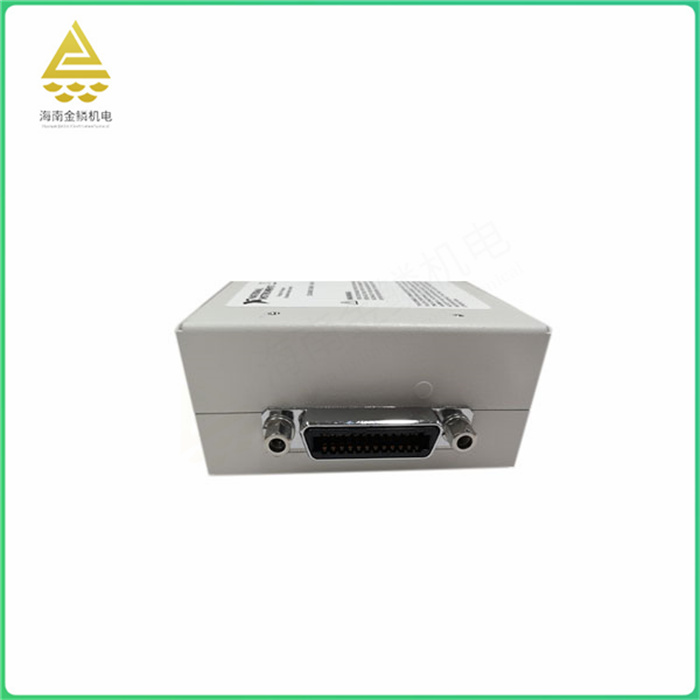
The NI GPIB-140A is a fiber optic GPIB extender that extends a GPIB system by 1 km without compromising the integrity of the GPIB or requiring any software modifications. The device uses buffered transmission technology, and the data transfer rate can reach 1.1 Mb/s (IEEE 488.1) or 2.8 Mb/s (HS488). The GPIB-140A also increases the maximum number of GPIB devices in the system from 15 to 26.
There is also a GPIB-140A/2 extender that can extend the GPIB cable length up to 2 km while still maintaining the integrity of the GPIB and requiring no software modifications. Similar to the GPIB-140A, the device also uses buffered transmission technology, with data transfer rates up to 1.1 Mb/s (IEEE 488.1) or 2.8 Mb/s (HS488). In addition, the GPIB-140A/2 increases the maximum number of GPIB devices in the system from 15 to 26.
The GPIB-140A extender uses optical cable to extend the length of the GPIB system. To connect a system to a high-speed GPIB extender device, a fiber optic cable with a GPIB extender can be used to extend the cable length of the system without sacrificing the integrity of the GPIB device or altering any applications. The GPIB T7 model with GPIB 140A extenders can extend the system up to 1 km, while the GPIB type T8 with a pair of GPIB 140A/2 extenders can extend the system up to 2 km.
The NI GPIB-140A/2 extender can be used in various industries such as electronic test and instrumentation, desktop measurement and testing, distributed measurement and control, and systems engineering software.
The functions of GPIB-140A include:
High-speed transmission: Support high-speed data transmission, can achieve fast instrument control and data acquisition.
Fiber optic connections: Compared with traditional cable connections, fiber optic connections have higher bandwidth and anti-interference performance, supporting longer distance data transmission.
Low latency: With very low latency, real-time control and response can be achieved.
Stability: With good stability and reliability, suitable for long-term stable operation and high requirements of the application.
Compatibility: Compatible with standard GPIB interfaces, seamless integration with other GPIB devices.
Easy to use: with user-friendly interface and configuration tools, it is convenient for users to configure and monitor the device.
High reliability: Due to the use of optical fiber connection, with high anti-interference ability and stability, suitable for complex industrial environments.
The benefits of GPIB-140A include:
High-speed performance: GPIB-140A supports high-speed data transmission, can quickly control and collect instrument data, improve work efficiency.
Fiber optic connections: Compared with traditional cable connections, fiber optic connections have higher bandwidth and anti-interference performance, can transmit data over longer distances, and are less susceptible to electromagnetic interference.
Low latency: The GPIB-140A has very low latency, enabling real-time control and response, which is important for applications requiring high accuracy and time sensitivity.
Stability and reliability: Using high-quality components and manufacturing processes, the GPIB-140A offers excellent stability and reliability for long, stable operations and demanding applications.
Compatibility: The GPIB-140A is compatible with the standard GPIB interface and can be seamlessly integrated with other GPIB devices to facilitate device expansion and upgrade.
Easy to use and maintain: The GPIB-140A provides a user-friendly interface and configuration tools that make it easy to configure and monitor devices. In addition, it has lower maintenance costs, reducing the stress of operations and maintenance.
In summary, the benefits of the GPIB-140A include high-speed performance, fiber optic connectivity, low latency, stability and reliability, compatibility, and ease of use and maintenance. These advantages enable the GPIB-140A to perform well in a variety of applications and meet the needs of users.


